



Quick Answer
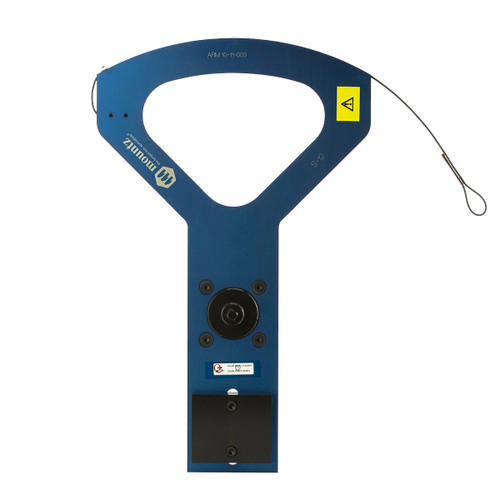
A Mountz Calibration Segment Arm is used with a hanger and calibrated weights to apply a known torque load to a torque analyzer or torque sensor. The segment arm attaches to the input drive of the analyzer or sensor, while calibrated weights are suspended from the arm. Mountz offers segment arms in 10, 12, 24, and 48-inch lengths with different input drive sizes and maximum weight capacities.
What Is a Calibration Segment Arm Used For?
Calibration Segment Arms are engineered for calibrating torque analyzers and torque sensors.
Mountz identifies torque calibration equipment as a means of calibrating torque testers and sensors and supporting traceability to National or International Standards such as NIST and ISO.
How Does a Segment Arm Work?
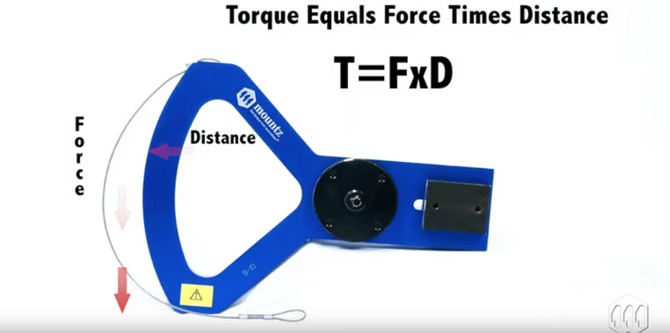
A segment arm is used with calibrated weights to create a known torque load based on force and distance.
Torque = Force × Distance
For calibration, the segment arm attaches to the input drive of the torque analyzer or sensor. A hanger is suspended from the arm, and calibrated weights are added to create the required torque load.
The amount of weight required depends on the torque range of the analyzer or sensor and the length of the segment arm.
Dead Weight Calibration Setup
Mountz identifies three components of a dead weight test set:
- Segment Arm or Calibration Wheel
- Hanger
- Weights
Weights are placed on the hanger, which is suspended from the Segment Arm. Mountz specifies that the total weight includes both the hanger and the weights.
Available Models
| Model | Item # | Max Weight | Tolerance | Input Drive | Tool Length |
|---|---|---|---|---|---|
| S-10 | 061106 | 25 lbs. | ±0.005 | 1/4" M/Sq. | 10" |
| S-10 | 060094 | 75 lbs. | ±0.005 | 3/8" M/Sq. | 10" |
| S-10 | 060056 | 100 lbs. | ±0.005 | 1/2" M/Sq. | 10" |
| S-12 | 060052 | 75 lbs. | ±0.006 | 3/8" M/Sq. | 12" |
| S-12 | 060093 | 100 lbs. | ±0.006 | 1/2" M/Sq. | 12" |
| S-24 | 060091 | 125 lbs. | ±0.012 | 1/2" M/Sq. | 24" |
| S-24 | 060053 | 250 lbs. | ±0.012 | 3/4" M/Sq. | 24" |
| S-48 | 060090 | 125 lbs. | ±0.024 | 3/4" M/Sq. | 48" |
| S-48 | 060054 | 250 lbs. | ±0.024 | 1" M/Sq. | 48" |
Selecting a Segment Arm
When selecting a Segment Arm, consider:
- Torque range of the analyzer or sensor
- Segment arm length
- Maximum weight capacity
- Input drive size
- Required calibration load
Mountz states that the amount of weight required is determined by the maximum torque range of the analyzer or sensor being calibrated and the length of the Segment Arm.
Compatible Calibration Equipment
Calibration Hangers
A hanger is suspended from the Segment Arm and holds the weights used to create the calibration load.
Calibration Weights
Mountz offers calibrated weights for use with Segment Arms and Calibration Wheels. The hanger weight must be included when determining the total applied weight.
Torque Analyzers & Sensors
The Segment Arm attaches to the input drive of the torque analyzer or torque sensor being calibrated.
Basic Calibration Setup
- Securely attach the torque analyzer or sensor to a workbench.
- Select the appropriate Segment Arm.
- Attach the Segment Arm to the input drive of the analyzer or sensor.
- Attach the appropriate hanger.
- Add the required calibrated weights.
- Apply the known torque load.
- Repeat the process at the required calibration points.
Follow the calibration procedure appropriate for the torque analyzer or sensor being calibrated.
Media & Supporting Content
Related Content
- Torque Analyzers
- Torque Sensors
- Calibration Hex Step Adapters
- Calibration Equipment
- Webinar: Learn How to Calibrate a Torque Analyzer and Torque Sensor
Need Help?
- Contact Applications Engineering for setup guidance
- Speak with Sales for product selection
- Call us:
- North America:(408) 850-9978
- International: +44 1428 741756


 M-F 6am - 5pm PST


